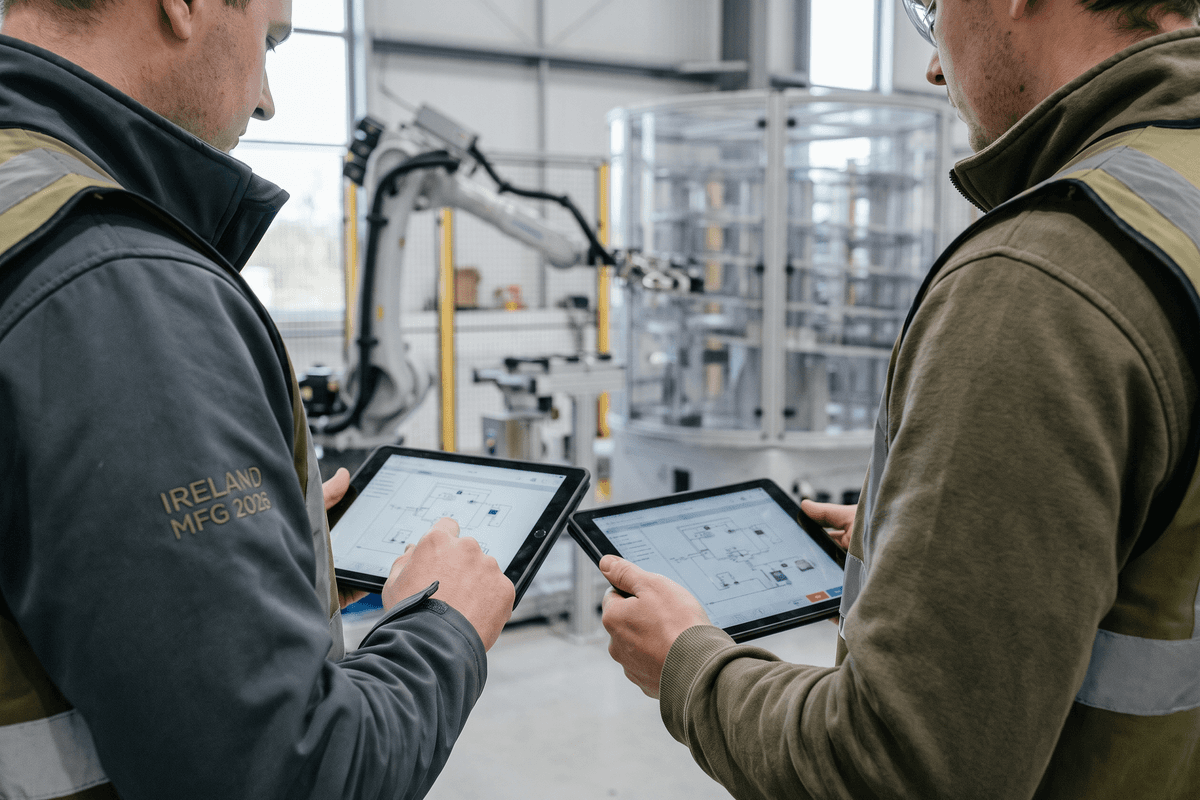
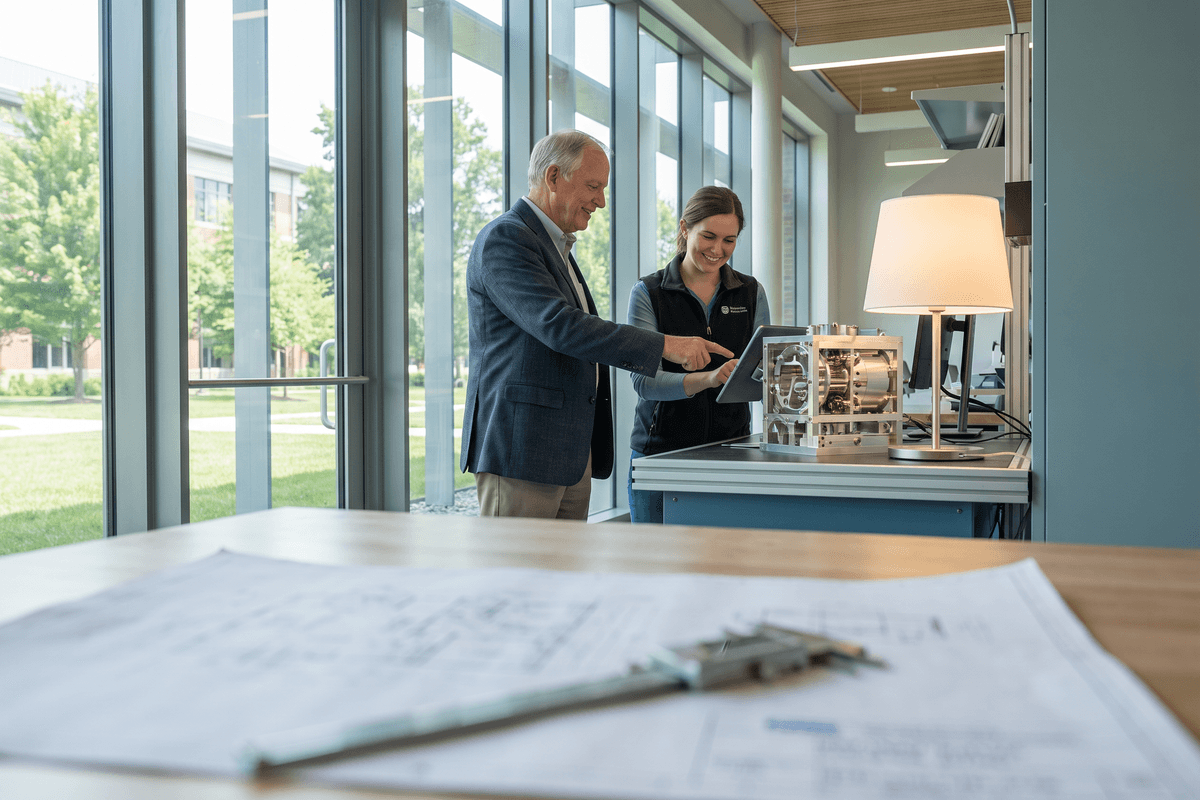
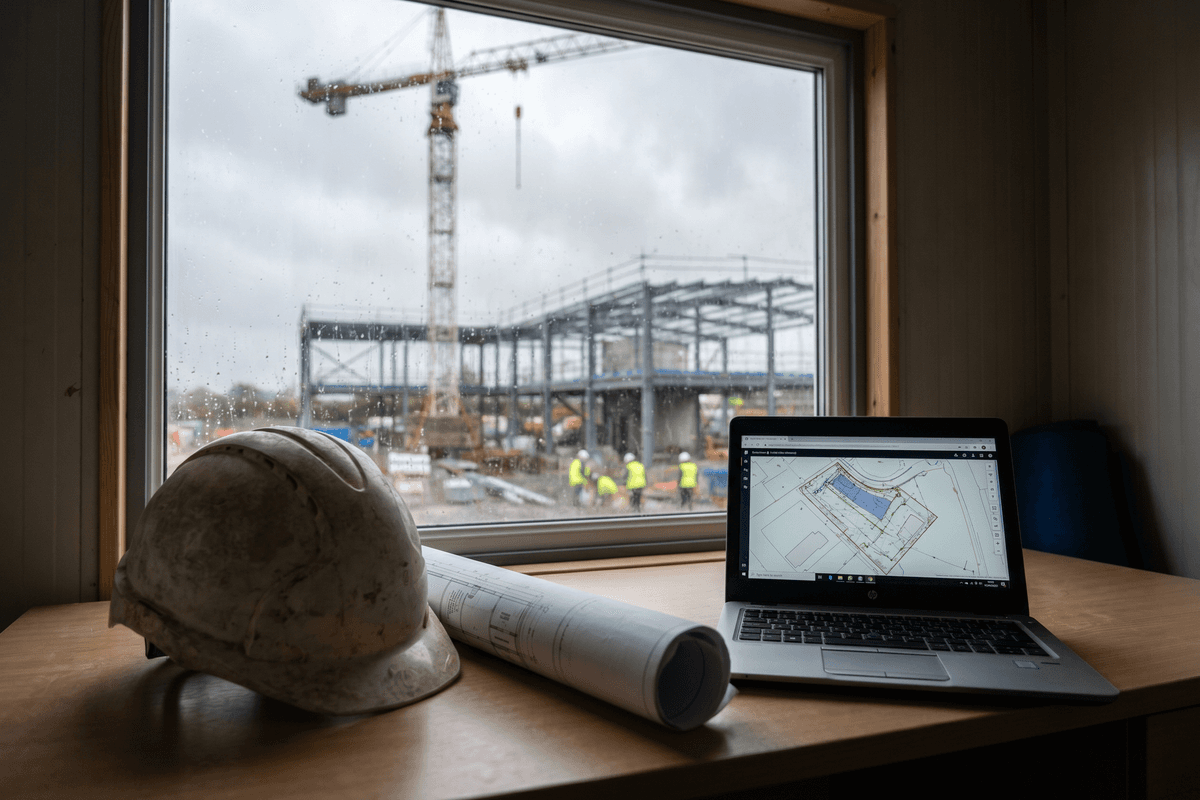
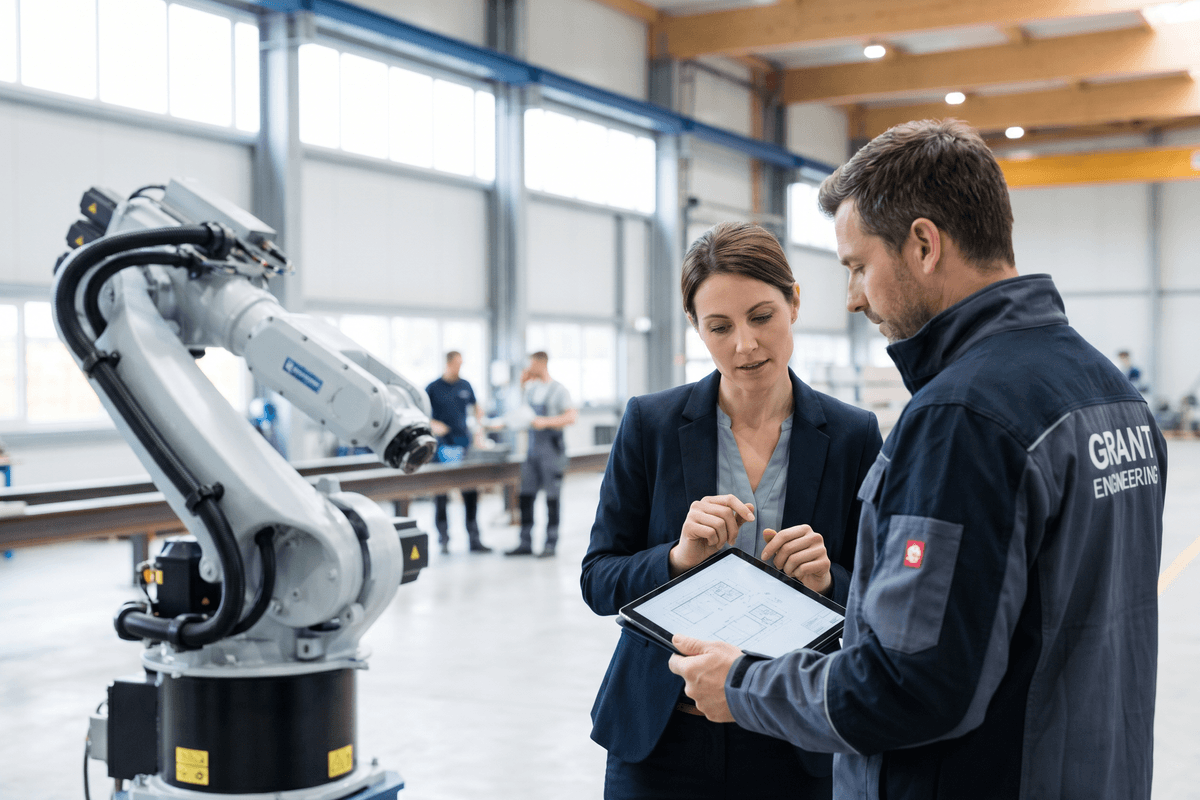
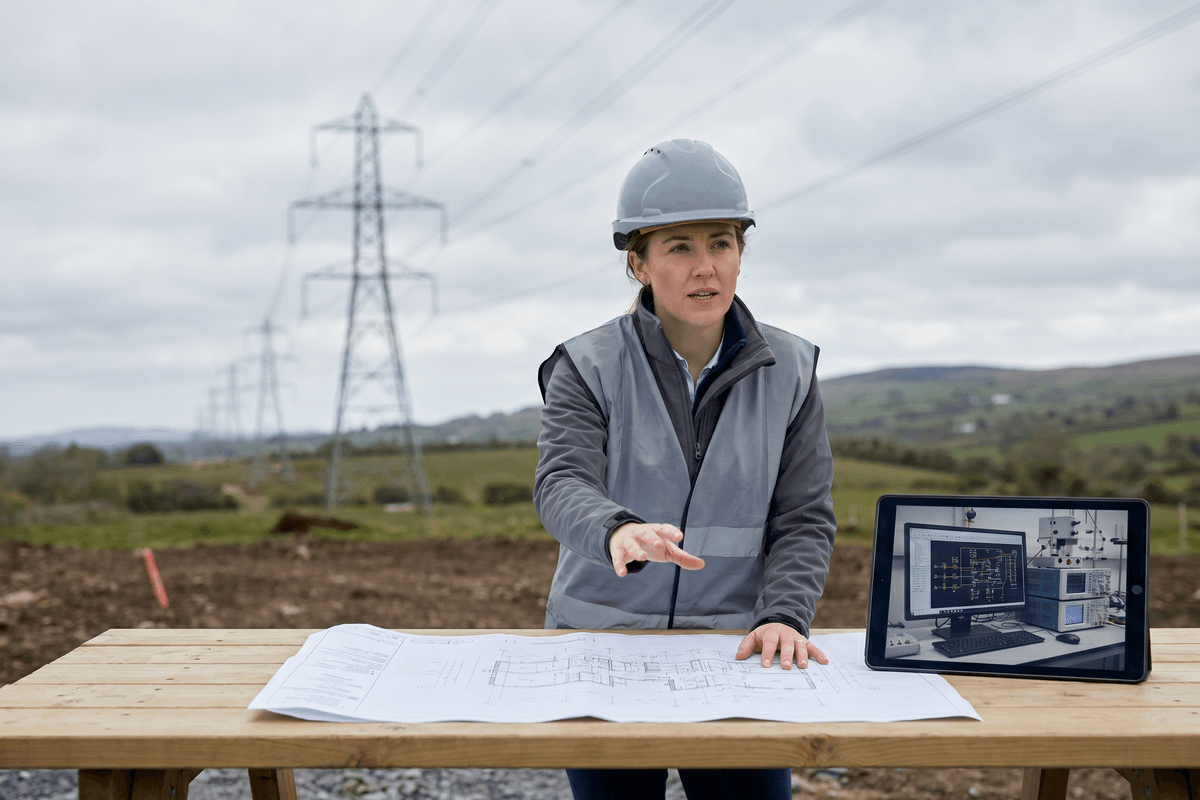
On production floors from Galway’s medical device corridor to the biopharma and heavy engineering hubs across Munster and Leinster, Ireland’s manufacturing sector is undergoing an operational overhaul. While earlier years were defined by exploratory digitalisation and isolated robotic trials, 2026 marks the moment where automation, circular design, and deep tech convergence become structural necessities. As chronicled in the July/August 2026 edition of Irish Manufacturing Magazine , Irish engineering leaders are navigating a tri-fold mandate: deploying intelligent automation, slashing lifecycle carbon footprints, and mastering advanced technological architectures under tightening regulatory and supply chain constraints.
For plant managers, ...
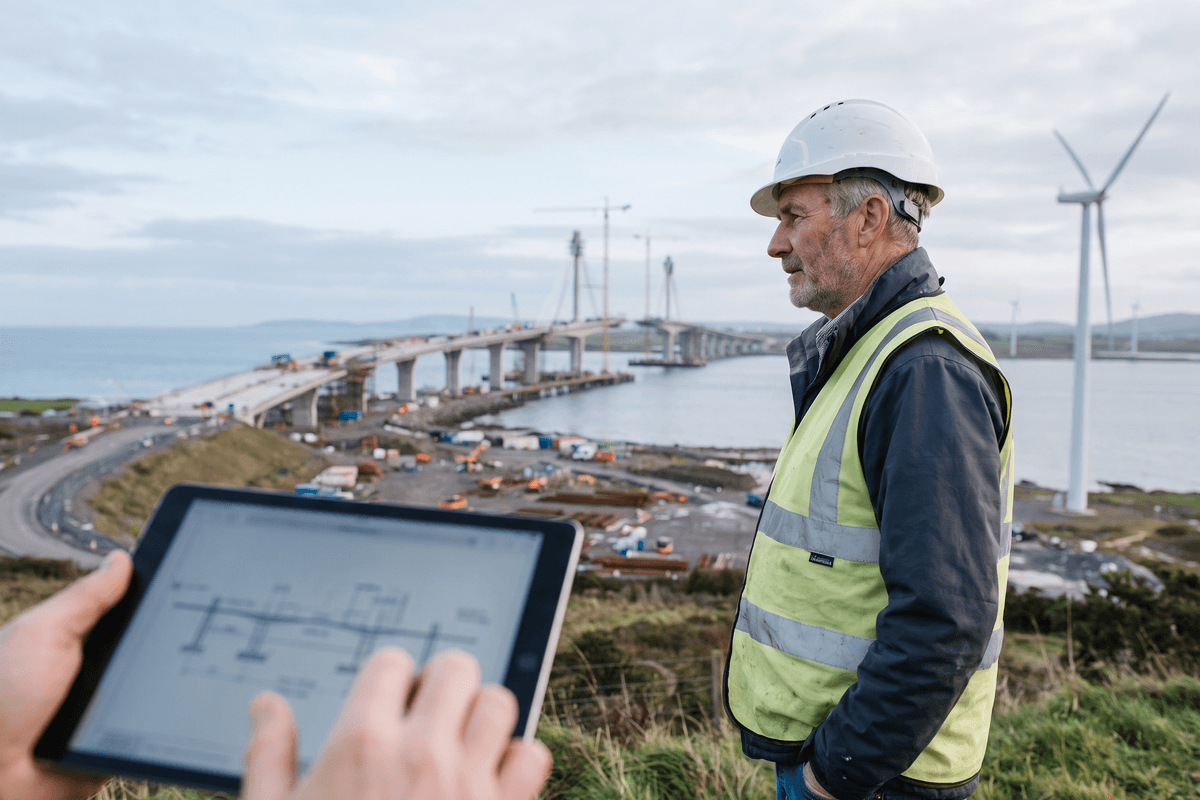
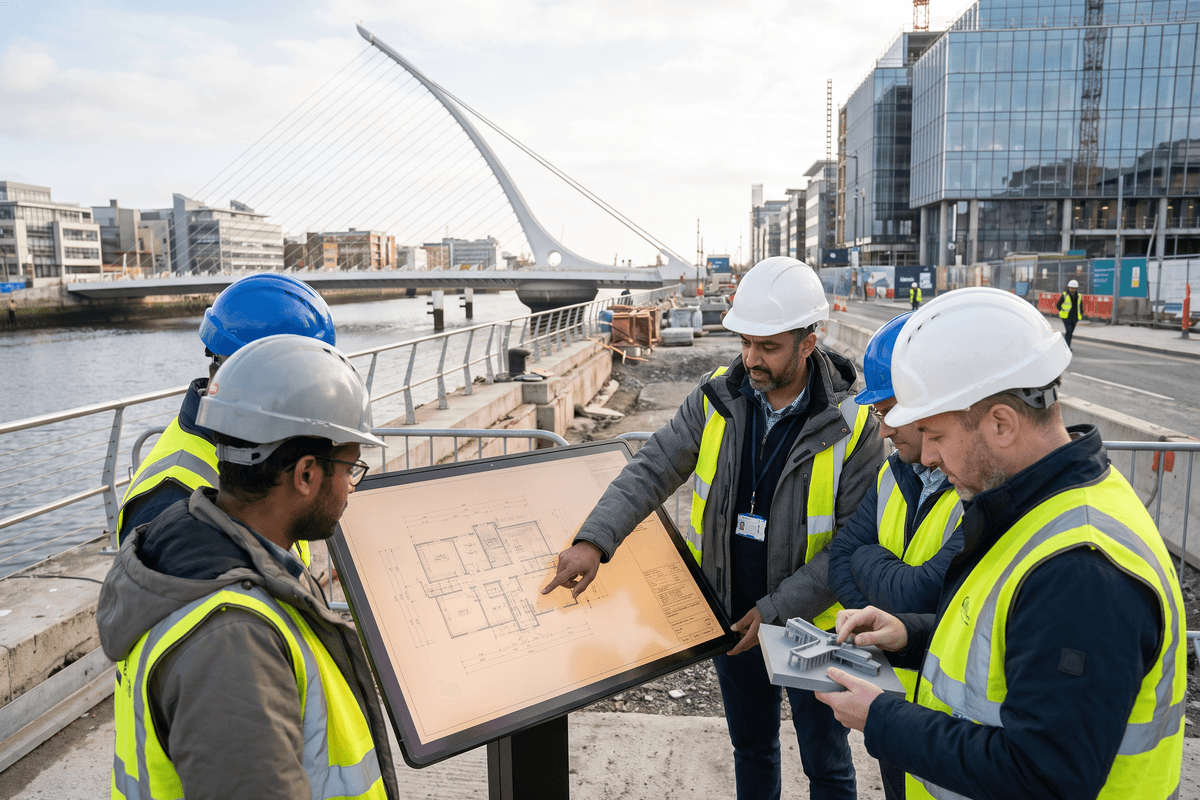
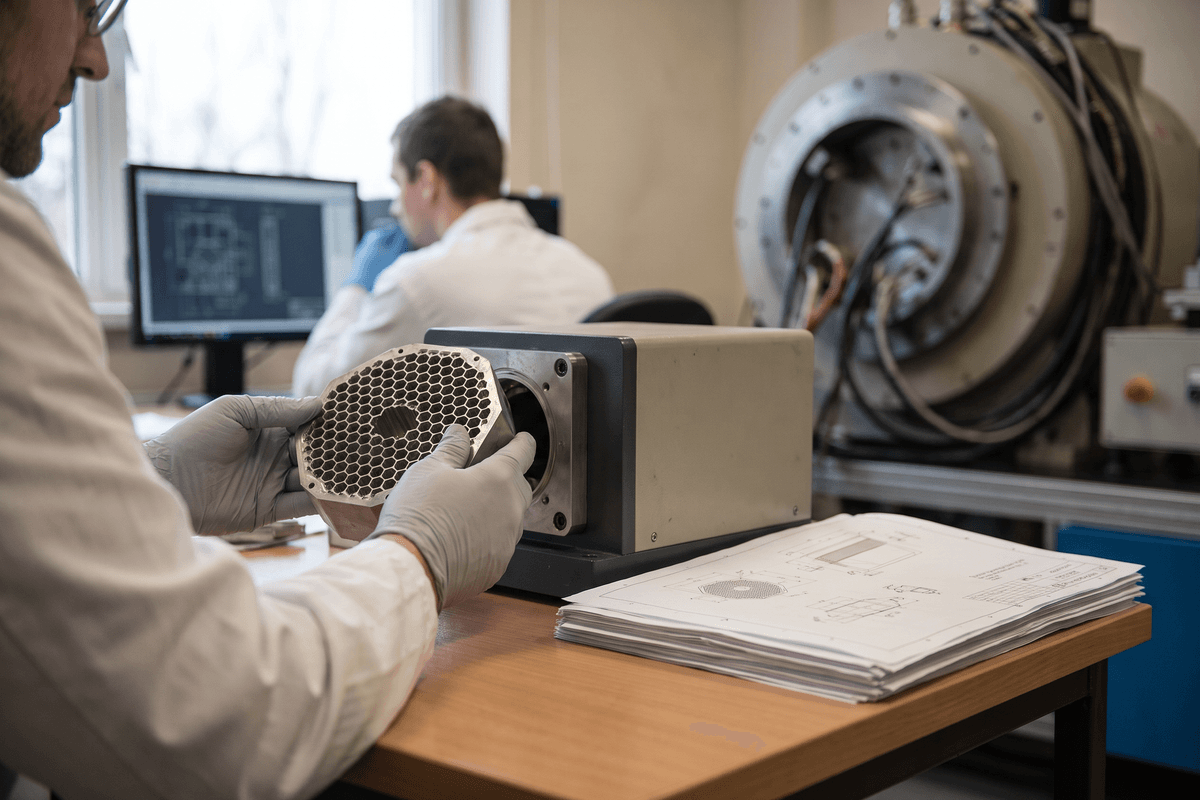
For Irish engineering professionals, the modern mandate has never been more complex: we are tasked with raising ambitious new civic landmarks while simultaneously defending our existing infrastructure against the increasingly volatile ground beneath it. As we move deeper into 2026, the intersection of urban regeneration, climate adaptation, and advanced research is ...
In 2026, the Irish engineering sector is defined by a central paradox: we have never had more ambitious infrastructure and industrial targets, yet the battle for the talent required to deliver them has never been more intense. The days of simply posting a job vacancy and waiting for seasoned professionals to apply are over. Today, the firms winning the market are those ...
For years, the defining lament of Ireland’s engineering and construction sector wasn't a lack of capital or ambition, but the glacial pace of planning, procurement, and mobilization. In 2026, that narrative is being aggressively rewritten. Driven by unprecedented legislative interventions to fast-track critical infrastructure and a simultaneous leap in digital project ...
For decades, the narrative surrounding the Irish engineering sector was heavily anchored in its ability to attract and support Foreign Direct Investment (FDI). While that remains a cornerstone of the economy, a profound shift is underway in 2026. Today, the island of Ireland is increasingly recognized not just as a reliable base for global tech and pharma giants, but as a ...
In 2026, the greatest bottleneck in European engineering isn't capital, supply chains, or regulatory red tape—it is human capacity. As Ireland’s engineering sector continues to punch above its weight on the international stage, the strategies companies use to acquire, retain, and deploy talent are undergoing a radical transformation. We are witnessing a decisive shift from ...
While geopolitical shocks and supply chain bottlenecks have rigorously tested the resilience of Ireland's Architecture, Engineering, and Construction (AEC) sector over the past few years, the dirt is still moving—and the data is looking up. For engineering professionals and contractors navigating this complex landscape, the true measure of industry health isn't just found in ...
Ireland’s engineering sector in 2026 is defined by a singular, overriding challenge: capacity. With an unprecedented pipeline of national infrastructure projects, aggressive climate action targets, and the relentless expansion of high-tech manufacturing, the demand for engineering solutions has vastly outpaced traditional supply. However, the industry is not standing still. ...
Ireland’s engineering sector is undergoing a profound cognitive shift. As the industry grapples with delivering complex megaprojects, integrating advanced technologies, and meeting aggressive climate targets, the focus is pivoting from purely physical capacity to human and artificial capability. June 2026 has served as a powerful testament to this transition, highlighting how ...
In the evolving landscape of Irish engineering, the most significant shifts often happen not in boardrooms, but on the factory floor. As the global push for decarbonization accelerates, domestic manufacturers are being forced to adapt, innovate, and scale at an unprecedented pace. The recent announcement that heating technology specialist Grant is injecting €8 million into ...
For years, the narrative surrounding Irish infrastructure has been dominated by long-term planning, regulatory bottlenecks, and ambitious capital frameworks. But as we move deeper into 2026, a distinct shift is occurring on the ground. The gap between theoretical engineering design and tangible, large-scale execution is rapidly closing. Driven by direct private-sector ...
For years, the narrative surrounding Ireland’s infrastructure sector has been a tug-of-war between unprecedented national ambition and the frustrating realities of delivery bottlenecks. But as we move deeper into the decade, a new narrative is taking hold—one defined by structural maturity, aggressive capital investment, and the integration of next-generation technologies. ...
Ireland's economy has long operated like a high-performance engine, but the chassis is beginning to show signs of critical stress. Despite robust fiscal health and unprecedented foreign direct investment, the physical reality of building the nation is failing to keep pace with its economic ambition. According to a stark 2026 report, Deloitte warns that compounding delays in ...